Use cases / Supply chain security

SOFTWARE SUPPLY CHAIN SECURITY

Make software trust verifiable.

Understand the risk in every software decision. Reverser Space analyzes delivered binaries to detect vulnerabilities, validate software composition, and guide remediation from release to production.

Zero-day detection. SBOM validation. Exploit-aware prioritization. Post-quantum readiness.

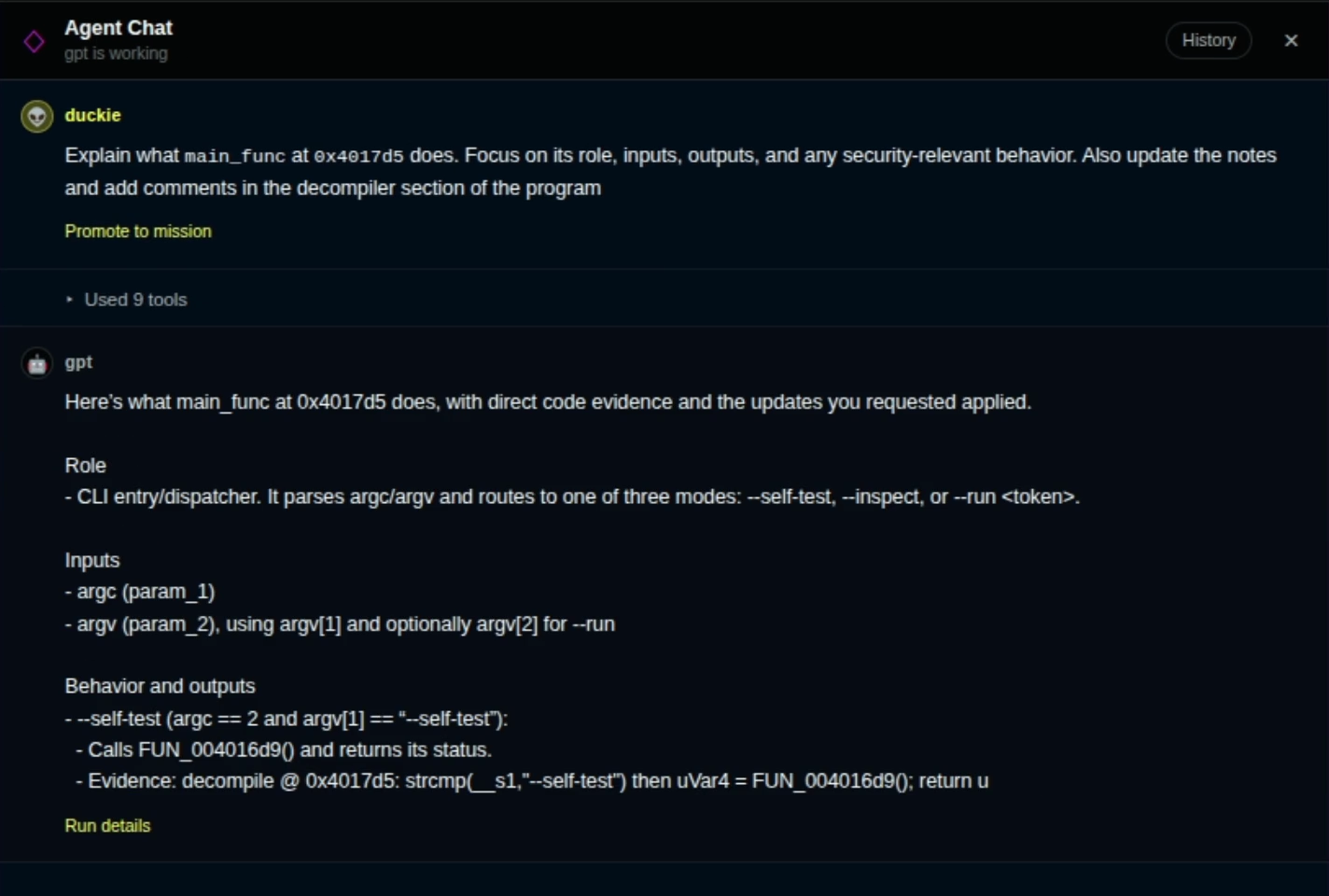
Agent analysis of a binary function with inputs, behavior, and code references
Agent analysis · An explanation tied to the decompiled code. View full size

01 / Binary risk analysis

Find the weaknesses inside the software.

Vulnerability discovery

Expose previously unknown flaws.

Analyze firmware, operating-system components, applications, and cloud artifacts for vulnerable code. Unpack nested payloads and use static analysis, symbolic execution, and AI investigation to surface defects without source access.

Secrets detection

Find credentials in shipped code.

Locate embedded tokens, private keys, service credentials, and sensitive configuration in release artifacts. Trace their use so teams can assess exposure and remove secrets at the source.

Reachability

Establish a path to impact.

Connect a vulnerability to the code paths that can invoke it. Use execution context to separate actionable exposure from incidental matches and give engineering a clear starting point for remediation.

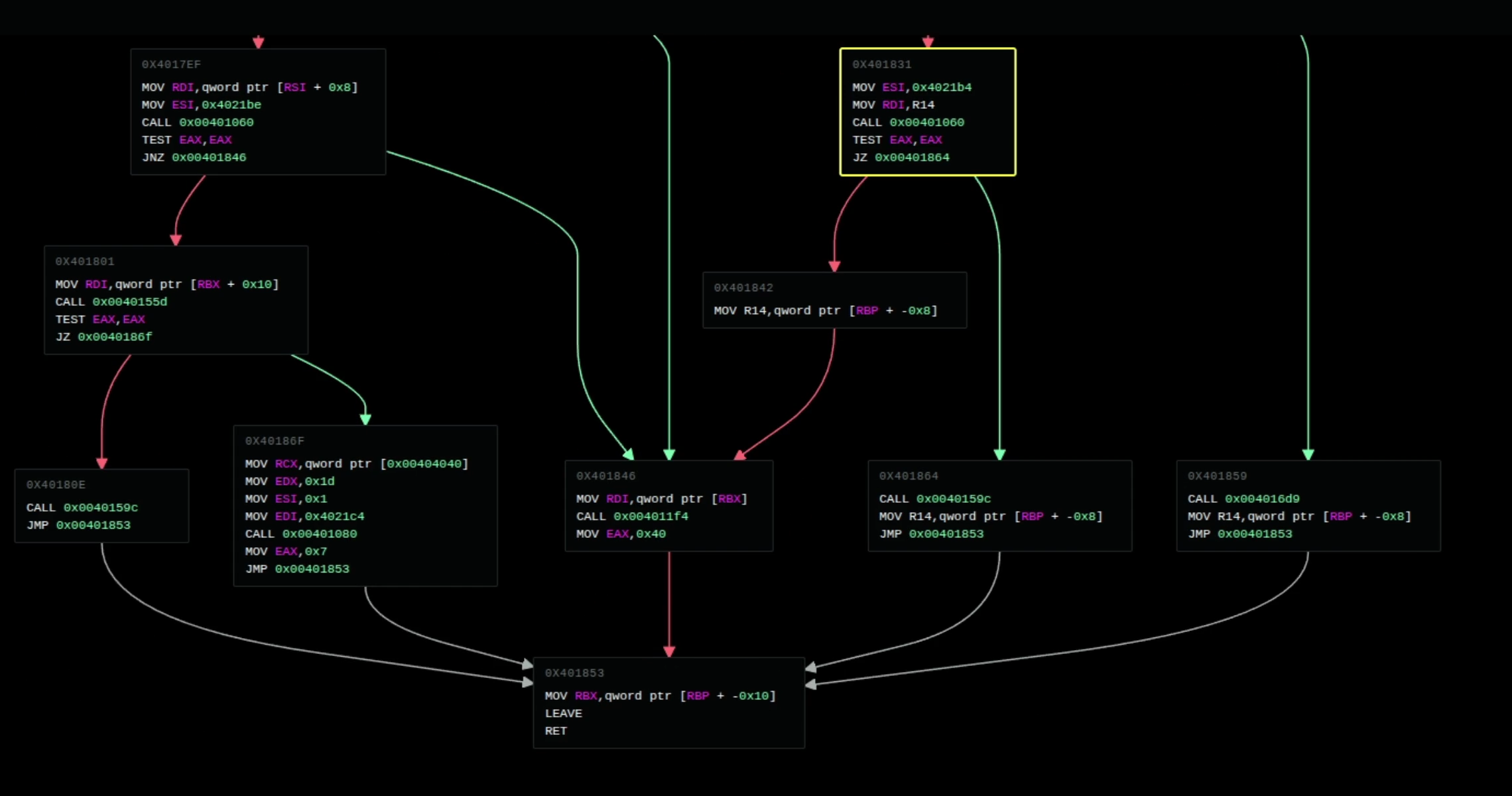
Control-flow graph showing branching paths between assembly blocks
Follow the branches · Inspect the paths through a function. View full size
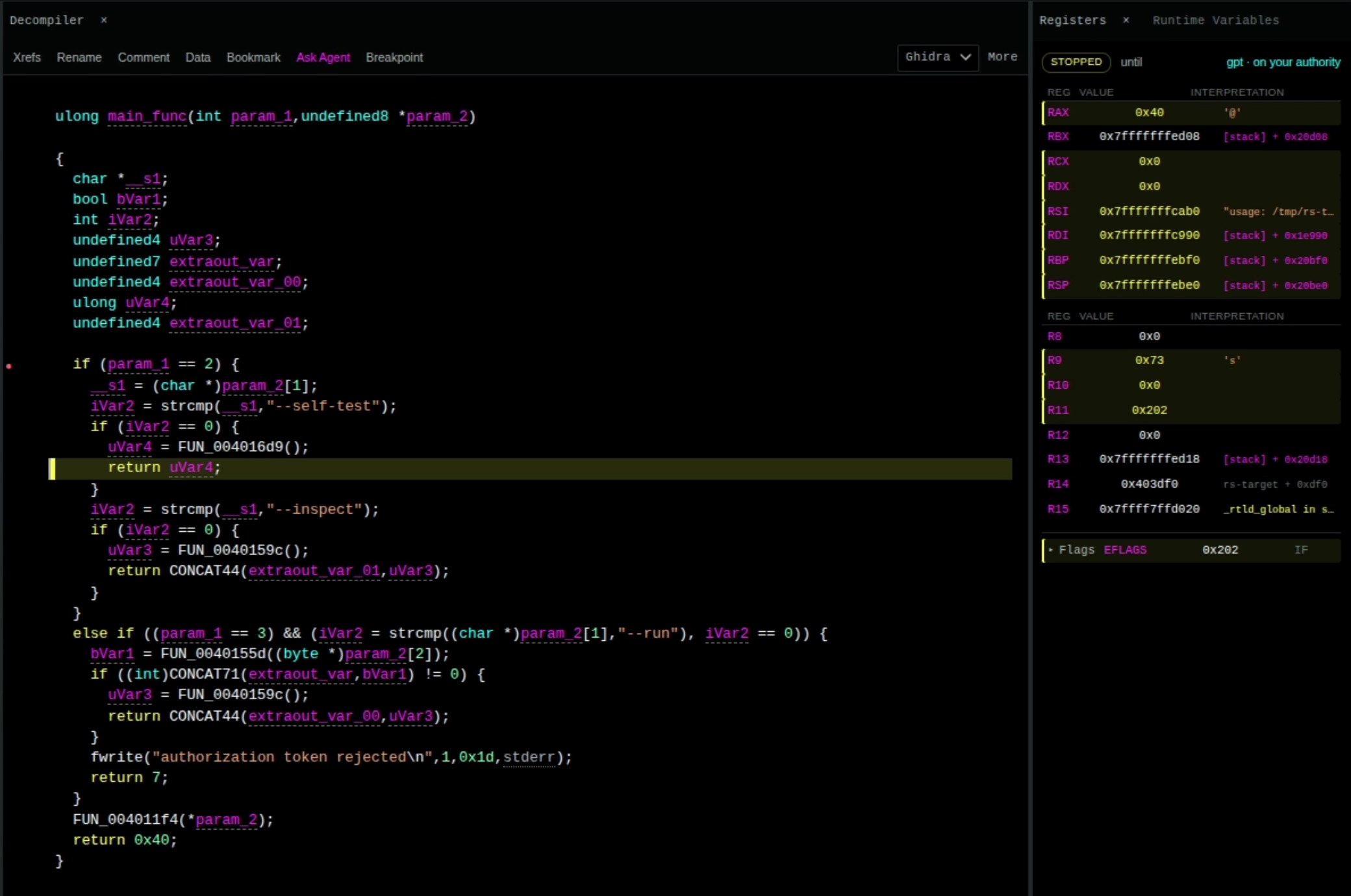
Paused debugger with highlighted decompiled code and register values
Check execution · Review the paused instruction and live registers. View full size

02 / Supply chain assurance

Keep composition, controls, and risk in view.

Cryptographic visibility

Plan your post-quantum transition.

Generate and validate cryptographic bills of materials from binaries. Inventory algorithms, keys, and certificates; identify weak or outdated cryptography; and track replacement work with evidence of where it is used.

Release assurance

Check the build against your security requirements.

Generate and validate SBOMs, inspect security mitigations, and detect regressions in the delivered artifact. Bring binary checks into your release pipeline and preserve attestations for the software you approve.

Continuous prioritization

Keep remediation aligned with active threats.

Update vulnerability priorities using CISA KEV, exploit availability, and observed attack activity. Combine those signals with artifact context and reachability to direct attention as exposure changes.

03 / Where teams use Reverser Space

One platform for the decisions that carry risk.

Product security / OEMs

Make release approval evidence-based.

Add a final binary review to CI/CD. Detect tampering, unsafe behavior, and vulnerabilities before distribution, with a validated component inventory and an attestation tied to the release.

Procurement / Third-party risk

Assess the software your suppliers deliver.

Score vendor artifacts, check supplied SBOMs against their binaries, and track remediation commitments. Give purchasing and engineering teams a shared record of outstanding risk and the evidence behind it.

Security operations / Asset owners

Follow exposure after deployment.

Maintain a current component inventory across deployed products. Connect new disclosures and exploitation signals to affected software, investigate the impact, and document mitigation decisions.

Cryptography / Migration teams

Turn crypto inventory into a migration plan.

Map cryptographic dependencies across firmware and cloud workloads. Prioritize replacements by usage and risk, track progress, and retain evidence for readiness reviews.

Offensive security / Red teams

Spend more time validating attack paths.

Automate binary triage and vulnerability discovery. Use reachability and exploitability evidence to guide deeper testing, develop attack chains, and help defenders reproduce and address the weaknesses.
Frequently asked questions

Understand the risk behind the artifact.

What does analyzing the final binary add?

A release artifact includes the code and dependencies your users actually receive. Analyzing it reveals embedded components, security weaknesses, exposed secrets, and build changes even when source code is unavailable.

How are findings prioritized?

Reverser Space combines code reachability with vulnerability intelligence, known exploitation, and the context of the affected artifact. Teams can focus remediation on issues with a credible path to impact and inspect the evidence behind each finding.

How do you track risk across shared components?

Binary-derived inventories connect components to the products that contain them. When a dependency becomes vulnerable, teams can identify affected artifacts, investigate reachable code, and track remediation across their software estate.

Security across your software supply chain

Turn binary visibility into better security decisions.

Evaluate Reverser Space on the software you build, acquire, and operate. Bring your artifacts and define the evidence your team needs to approve, remediate, or investigate.